
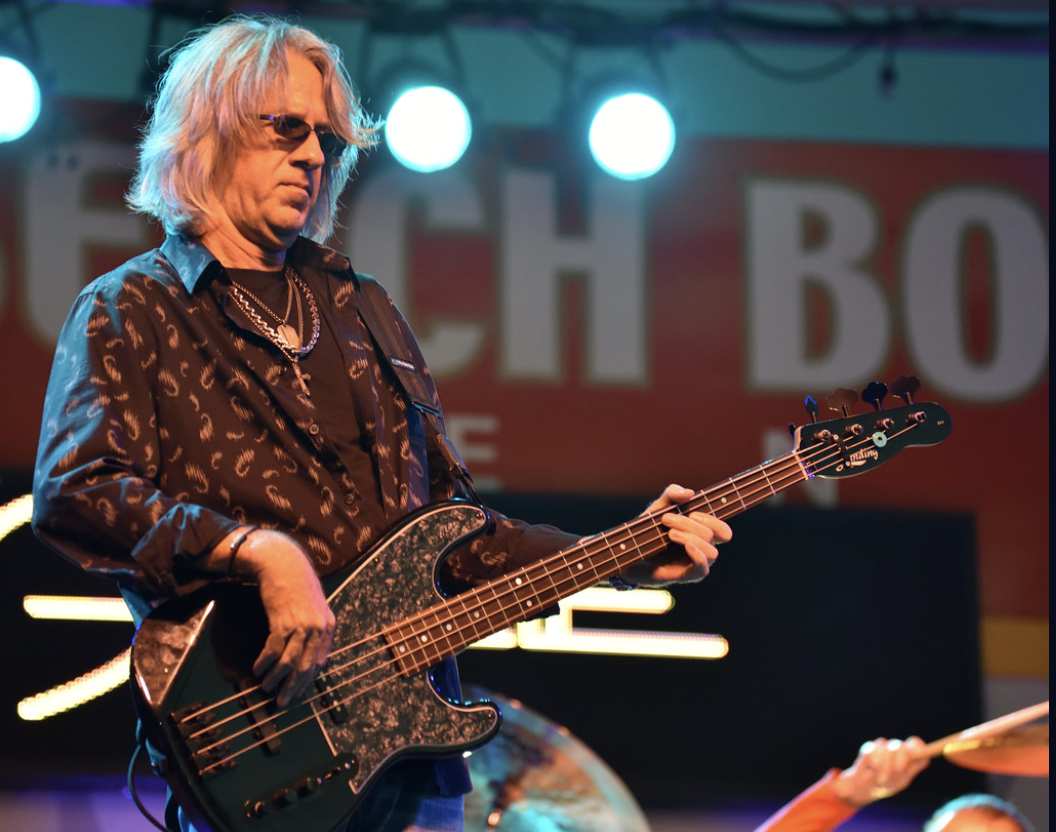
For Rodney O’Quinn, music has always been about more than playing the right notes. It is about the energy of a live performance, the musicians who inspire you along the way, and the opportunity to become part of something bigger than yourself. As the longtime bass player for Foghat, O’Quinn has spent years sharing the stage with legendary musicians, carrying forward the sound of classic rock, and helping introduce its timeless energy to new generations of fans.
Before joining Foghat, O’Quinn had already built an impressive musical career, including time spent playing with Pat Travers. He speaks fondly of the experience, describing Travers as one of his favorite guitar players and someone with a signature style that is instantly recognizable. Whether playing his own material or putting his stamp on a familiar song, Travers had a way of making everything sound uniquely his own. O’Quinn also remembers the powerful lineup he played with, including drummer Sandy Gennaro and guitarist Kirk McKim, describing the band as a force to be reckoned with.
His career also brought him opportunities to share the stage with some of rock's most recognizable names, including Ronnie Montrose, Mark Farner, and Derek St. Holmes. Through a touring package called Guitar Gods of the Seventies, O’Quinn and the Pat Travers band served as the backing band for the different artists. It was an opportunity to play alongside musicians whose records had helped shape his own musical journey. One memory that stands out is his time with Ronnie Montrose, whom he remembers not only as an incredible musician but also as a genuinely kind person. During their first rehearsal together, Montrose offered a piece of advice that stuck with him: “There's no mistakes, just new opportunities.”
O’Quinn's connection to classic rock goes back to his childhood. His journey into music began almost by accident when a friend needed a bass player for a band. Rather than be left out of the rehearsals, he agreed to pick up the instrument. His first performance came when he was just ten or eleven years old, playing for students at his elementary school. The setlist included Fleetwood Mac, The Beatles, and Elton John, along with KISS. The performance even earned the young musicians a feature in the local newspaper. What started as a way to join his friends quickly became the beginning of a lifelong career.
As he got older, O’Quinn found himself playing with musicians who were older than him, performing at weekend parties while discovering more of the music that would influence his playing. Artists like Michael Schenker, Ronnie Montrose, Grand Funk Railroad, and UFO became important parts of his musical education. He also developed a particular appreciation for live albums, recalling how records like KISS Alive, Frampton Comes Alive, and Foghat Live helped draw him into the world of rock and roll. Even today, he loves the atmosphere and excitement captured on those recordings.
That connection to Foghat Live would eventually come full circle in a way he never expected. O’Quinn grew up admiring the band's music and particularly appreciated the bass playing of Craig MacGregor. Years later, while O’Quinn was touring with Pat Travers, he had the opportunity to meet MacGregor when the band performed in his hometown. The two connected, and MacGregor invited him to his home for breakfast the following morning. Surrounded by gold and platinum records, the two spent time talking, and MacGregor eventually brought up the possibility of stepping away from touring and having O’Quinn take his place. Not long afterward, management contacted O’Quinn about the opportunity. What began as admiration for a musician whose records he grew up listening to became an unexpected invitation to carry that musical legacy forward.
Joining Foghat also meant working alongside founding drummer Roger Earl, whose dedication to the band continues to impress O’Quinn. Earl has remained the consistent force behind Foghat through decades of lineup changes and challenges. Now 80 years old, his energy and commitment to performing remain remarkable. O’Quinn describes the experience of playing alongside him as something that never gets old, especially considering that Foghat Live was one of the records that helped shape his early musical interests.
For O’Quinn, performing Foghat's catalog is about honoring the music rather than simply showing up for another gig. Songs like “Fool for the City,” “I Just Wanna Make Love to You,” and “Slow Ride” remain staples of the band's live performances, connecting audiences through generations. He recognizes how much these songs mean to fans and considers it an honor to be part of the band's history. He also points to the way younger listeners continue discovering classic rock, mentioning how the appearance of “Slow Ride” in Guitar Hero introduced Foghat to an entirely new audience. At one point, his own daughter’s high school football players were excited to meet him because he played in the band featured in the video game.
While Foghat continues celebrating its history, the band has also remained committed to recording new music. Their November 2023 release, Sonic Mojo, debuted at number one on the Billboard Blues Albums chart and spent approximately 36 to 37 weeks in the Top 10. O’Quinn is proud that the newer material fits naturally alongside the band's established catalog. Songs like “Driving On,” “She's a Little Bit of Everything,” and “Black Days and Blue Nights” demonstrate that Foghat is still creating music that reflects its signature sound while continuing to move forward.
The band is also preparing to share more of its live history with fans through a new live release. Rather than simply revisiting the expected hits, the project features performances of songs that have not previously appeared on a Foghat live album, along with live versions of tracks from Sonic Mojo. It also includes a bonus third disc featuring material from Earl and the Agitators, a project that eventually came full circle when Scott joined Foghat following Charlie Huhn's retirement.
O’Quinn is particularly proud of the authenticity behind the live recordings. The band worked through hours of concert recordings to find performances that captured the right energy and feeling. Instead of going back into the studio to correct every imperfection, they chose to preserve the performances as they happened. For him, those moments are part of what makes a live record special. Sometimes the little imperfections are exactly what make a performance feel real.
Away from the traditional rock influences, O’Quinn is also constantly discovering music that catches his attention. One band he has been particularly excited about is The Warning, the Mexican trio of sisters whose performances and musicianship have impressed him. He especially enjoys their ability to move between English and Spanish vocals, and he recently watched their take on Metallica's “Enter Sandman,” which left a strong impression. At the same time, he has been revisiting the sounds of his younger years, spending time playing along to KC and the Sunshine Band, Chic, and Kool & the Gang on his bass.
Despite the decades spent performing, touring, and working alongside some of rock's biggest names, O’Quinn still approaches music with the enthusiasm of someone who loves discovering something new. His story is a reminder that sometimes the most unexpected opportunities lead to the most meaningful experiences. From a young kid picking up a bass because his friends needed a player to performing with the musicians who inspired him, his journey has come full circle.
Today, as he continues performing with Foghat, O’Quinn remains focused on keeping the music alive, respecting the legacy while making room for what comes next. For him, rock and roll is not simply about looking back. It is about the shared experience of live music, the connection between musicians and audiences, and the excitement of knowing that the next generation is still discovering the songs that started it all.